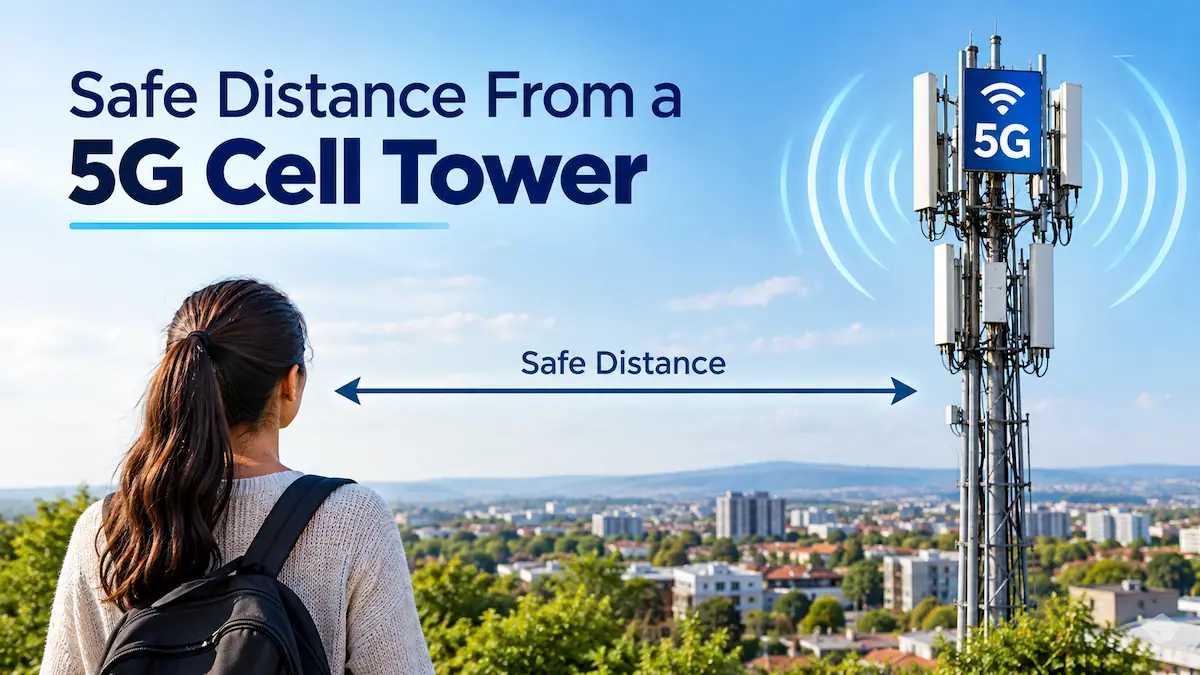
Safe Distance From a 5G Cell Tower | Limits and Levels
There is no single safe distance from a 5G cell tower, because exposure depends on antenna power, height, direction and…
Learn the vocabulary behind radiofrequency signals and conductive textiles before comparing products. This reading hub brings together guides about everyday wireless sources, Faraday enclosures, fabric construction and product testing. Choose a subject below, then use the linked sources and the product-specific laboratory information to check the scope of each explanation.

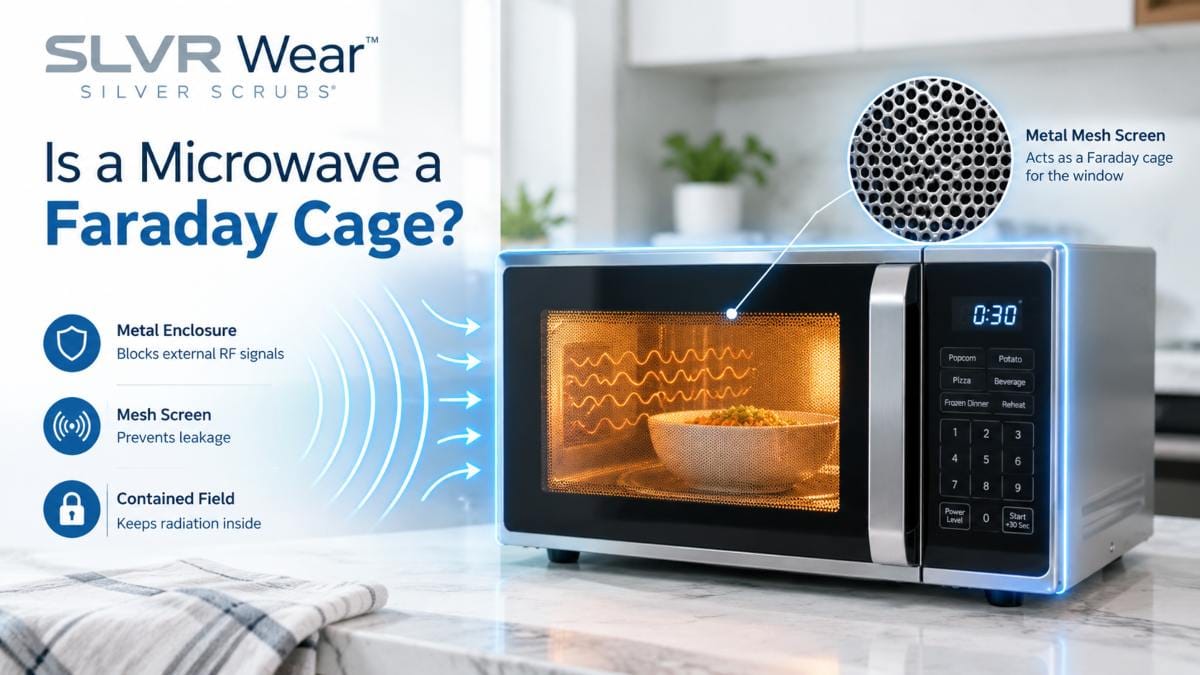
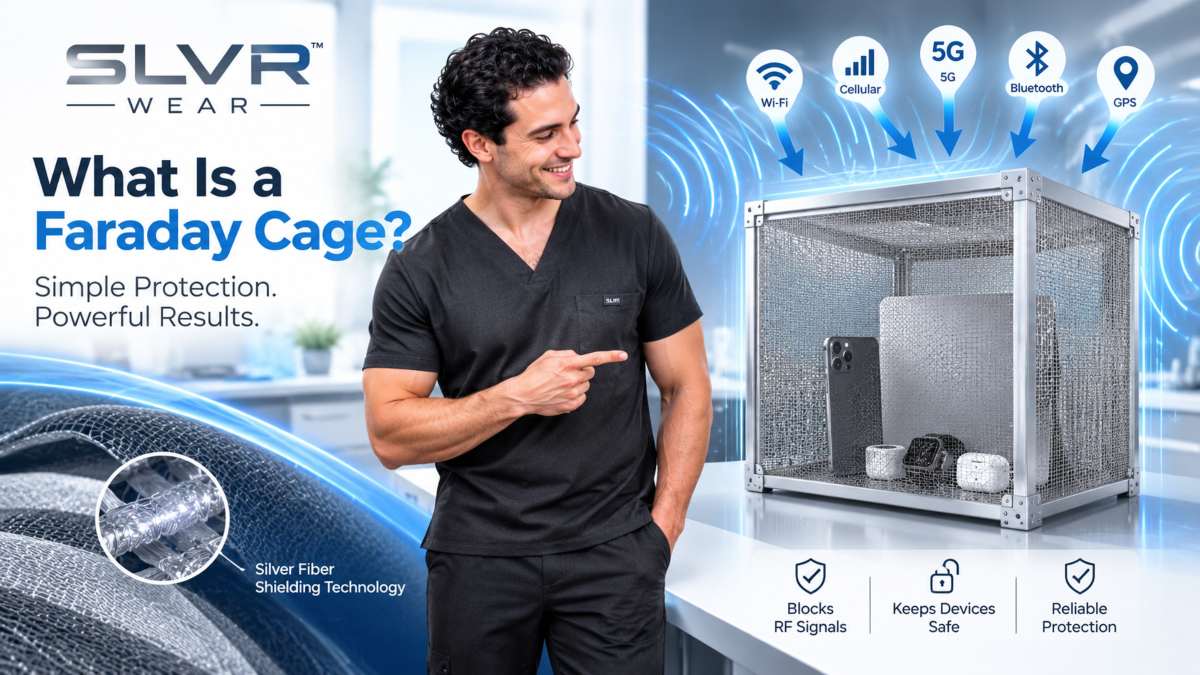

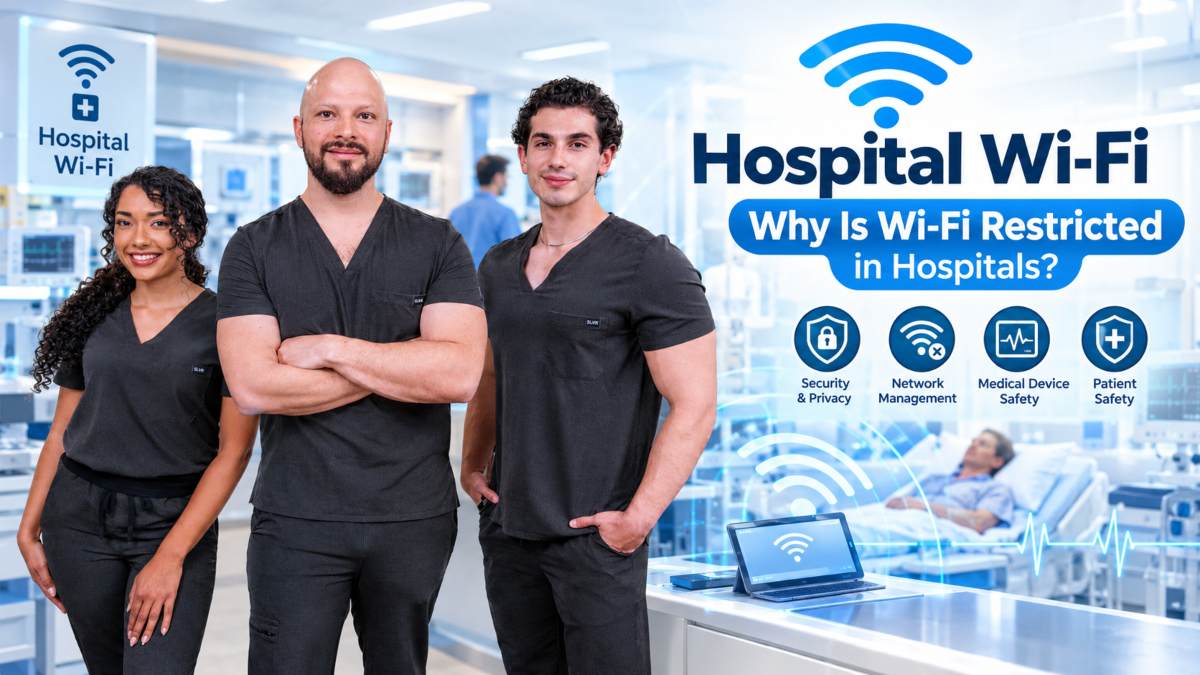
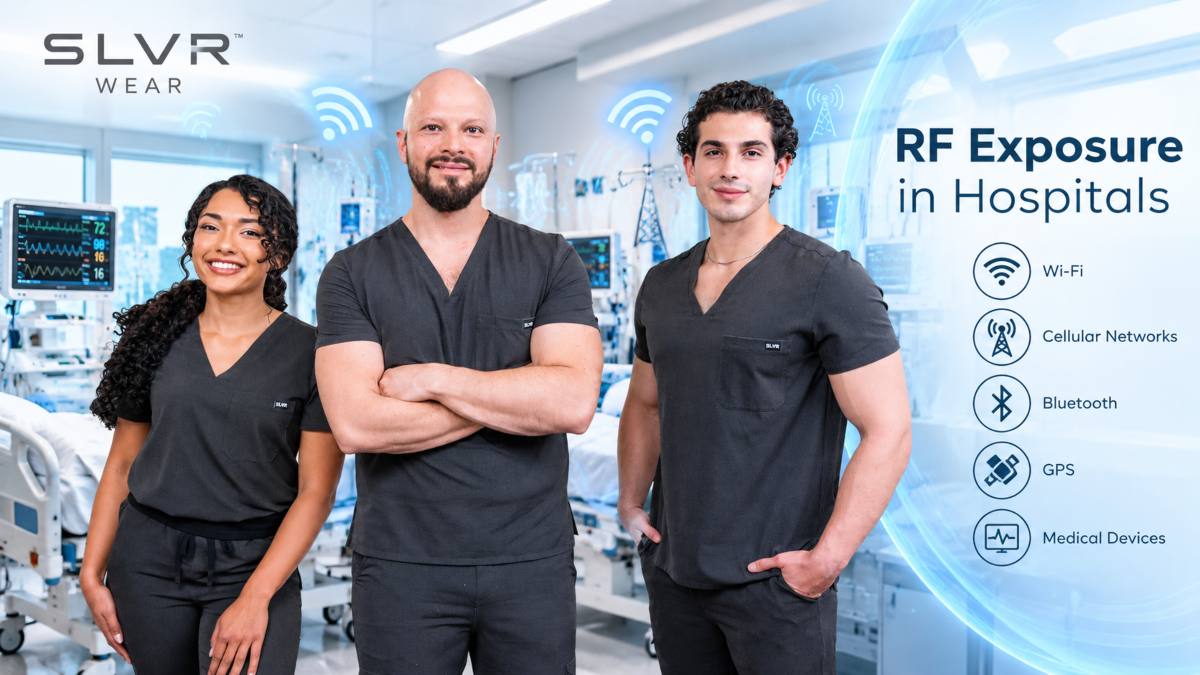
If you are new to the subject, start with an overview of RF signals and common wireless sources. Then choose a guide that matches the question you actually have. A question about a phone setting calls for different information from a question about a textile sample or a complete enclosure. Keeping those subjects separate makes comparisons easier.
RF, frequency, attenuation and shielding effectiveness describe different things. Look for the definition used in each article rather than treating every number as a universal product rating. An explanation of a material’s behavior does not establish a health benefit, and a test of one sample does not measure every product made with a conductive textile.
The articles cover Bluetooth, cellular networks, Wi-Fi, phones, hospitals and other connected environments. Use the guide for the device or setting you are researching. Manufacturer instructions are especially useful for settings menus because the available choices can differ by model, software version, network and region. Check the current instructions for your own device before changing a setting.
When an article discusses shielding effectiveness, look for the tested sample, laboratory, report number, measurement method and frequency range. Read the limitations alongside the result. A single headline percentage leaves out information needed to understand what was measured. Measurements through a fabric sample should not be presented as a test of a finished garment around a person.
The Lab Results page separates the available scrub-fabric report from products whose testing is in progress. Other fabrics should not inherit that report’s results. No shielding claim is made for the compact baby lap blanket. Learn about a product’s construction on its own page and check its current testing status before comparing it with another item.
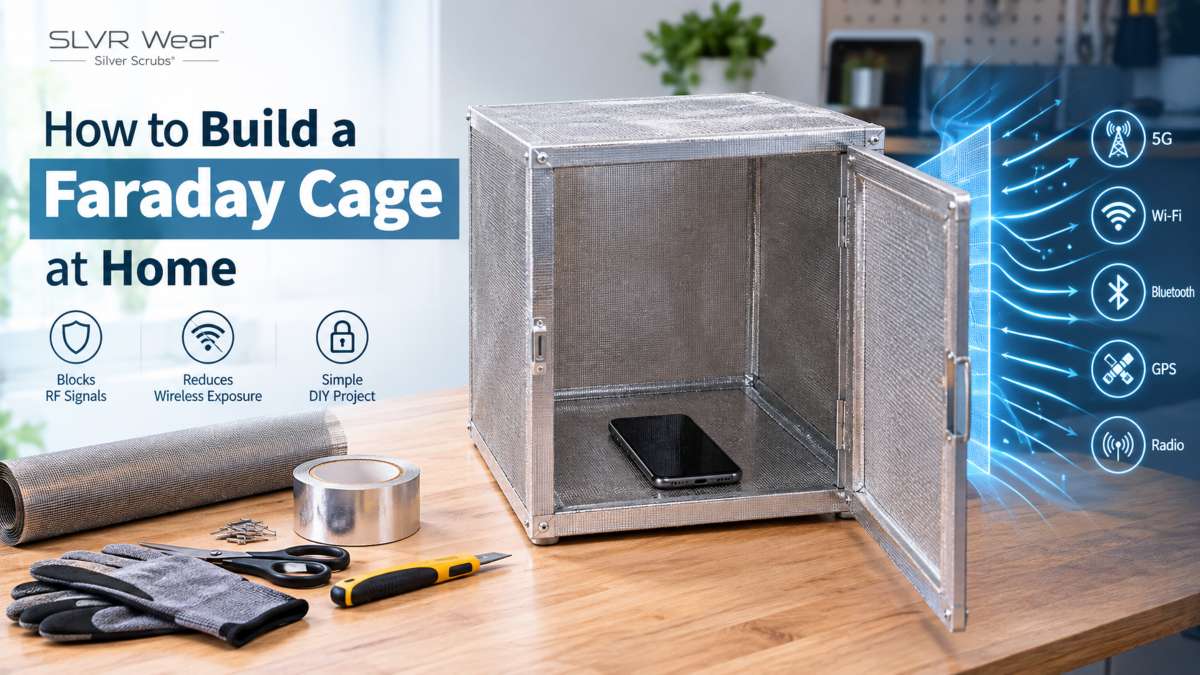
A guide about Faraday cages explains an enclosure concept. A product page describes a particular item, its fit, construction and available options. Neither replaces the other. Read the use and care information with the product details, and follow the sewn label supplied with the item. If a detail is unclear, ask for the specific information rather than assuming that all products share the same materials or care requirements.
Use the source links in individual articles to continue your reading. The ICNIRP radiofrequency guidelines provide a separate technical reference. For questions about an order or a product listing, visit our FAQ or contact the team. This hub is general educational reading, not medical advice or a substitute for a product-specific report.
What item was tested, and does it match the item being discussed? Which frequencies appear in the measurement table? Is the result for a flat sample, an enclosure or a finished item? Are the seams, openings and use conditions described? Keep those questions with your notes when comparing articles. They help distinguish a general explanation from evidence for a particular product, and they make it easier to ask a specific follow-up question when a listing leaves something unclear.