Silver Scrubs® Medical Clothing | EMF Blocking Scrubs
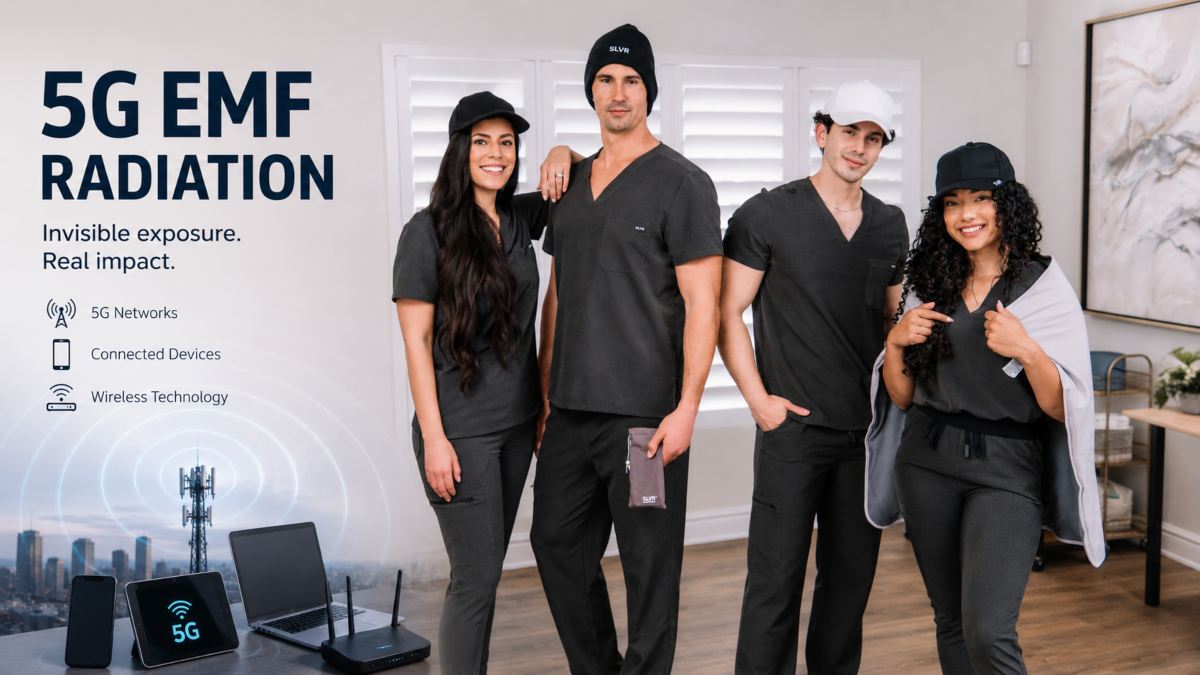
Every day, nurses, physicians, radiologists, and allied health professionals enter environments saturated with invisible electromagnetic fields from diagnostic equipment, wireless…
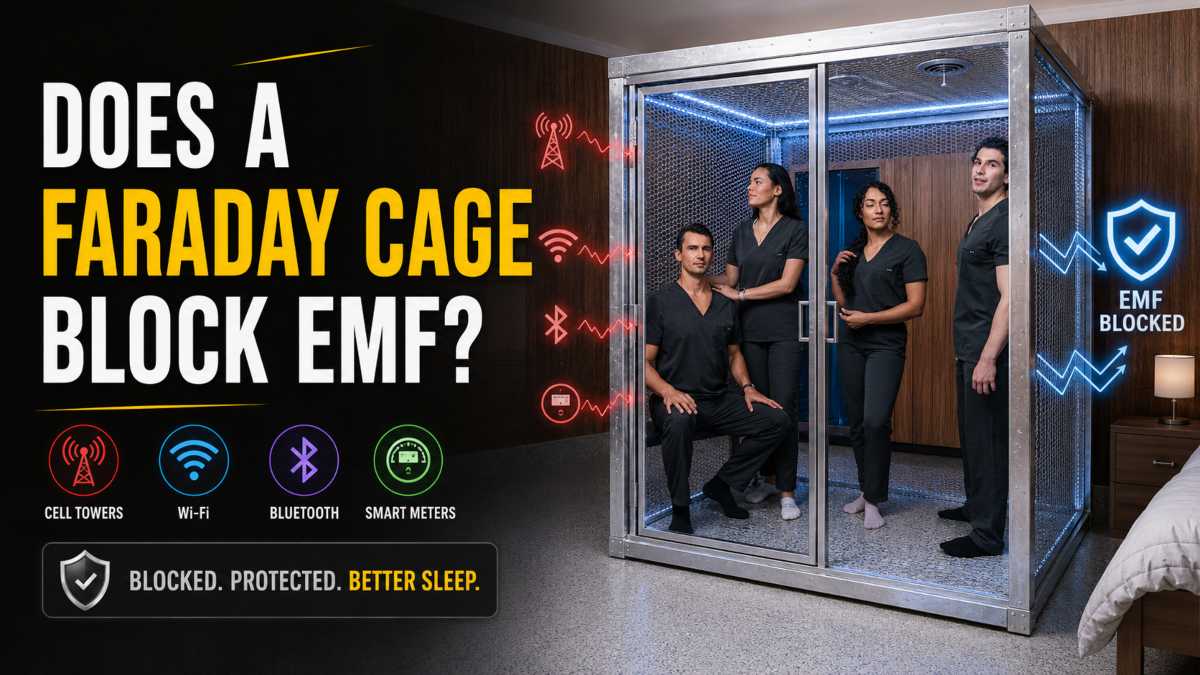
Yes, a properly constructed Faraday cage does block EMF it works by using a conductive material to redirect electromagnetic waves around an enclosed space rather than letting them pass through. This principle, discovered by physicist Michael Faraday in 1836, is the same science behind the shielding fabric used in modern EMF radiation protection clothing, from hats and beanies to blankets.
The question isn’t really whether the physics works it’s whether a specific product applies it correctly. A Faraday cage only blocks EMF effectively when its conductive material forms a continuous barrier with minimal gaps; loose weaves, thin coatings, or incomplete coverage all reduce real-world performance. Understanding what actually blocks EMF radiation is why two products claiming to do the “same thing” can perform very differently once you look at what they’re actually made of.
In this guide, we’ll break down Does a Faraday Cage Block EMF, then walk through what that means for hats, beanies, and blankets specifically so you can tell the difference between a product built on real shielding science and one riding on the term. For a full walkthrough of shielding methods across every product category, see our complete guide on how to block EMF.
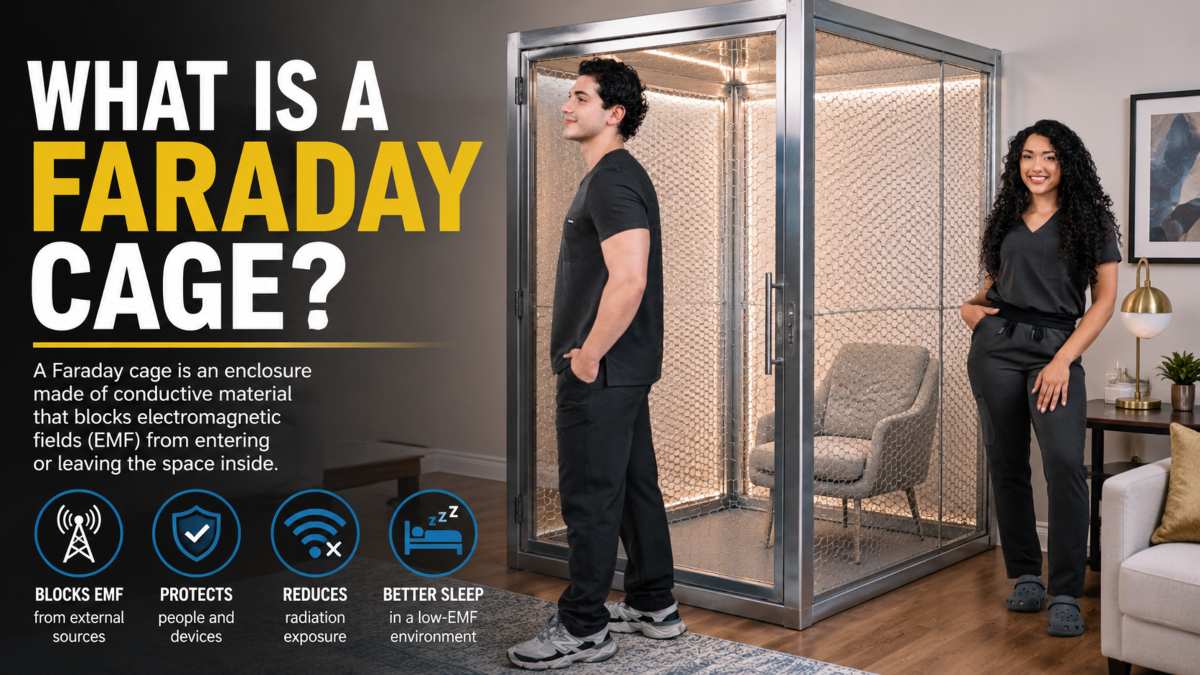
A Faraday cage blocks EMF by surrounding a space with a conductive material that intercepts electromagnetic waves and channels their energy along the surface rather than allowing them to pass through. The waves induce an electrical charge on the material itself, which cancels the field inside the enclosure. This isn’t a modern marketing concept it’s a well-documented principle of physics that predates wireless technology by over a century, one we break down in more detail in EMF radiation explained.
A Faraday cage is any enclosure made from a conductive material traditionally metal mesh, foil, or woven fibers that blocks external electric fields. When electromagnetic waves hit the cage, the conductive material absorbs and redistributes the energy across its surface rather than allowing it to reach whatever is inside. The concept was first demonstrated by physicist Michael Faraday in 1836, and the same principle now shows up in everything from MRI rooms to elevators to woven silver-fiber fabric.
 Why Conductive Materials Block Wireless Signals
Wireless signals, including 5G and Wi-Fi, travel as electromagnetic waves. Conductive materials disrupt these waves because their free electrons respond instantly to the incoming field, generating an opposing charge that cancels the signal at the boundary of the material. The more conductive the material and the tighter its structure, the more effectively it interrupts the wave. This is why silver one of the most conductive metals available is a common choice in shielding fabric: it disrupts signals efficiently without requiring a solid metal barrier.
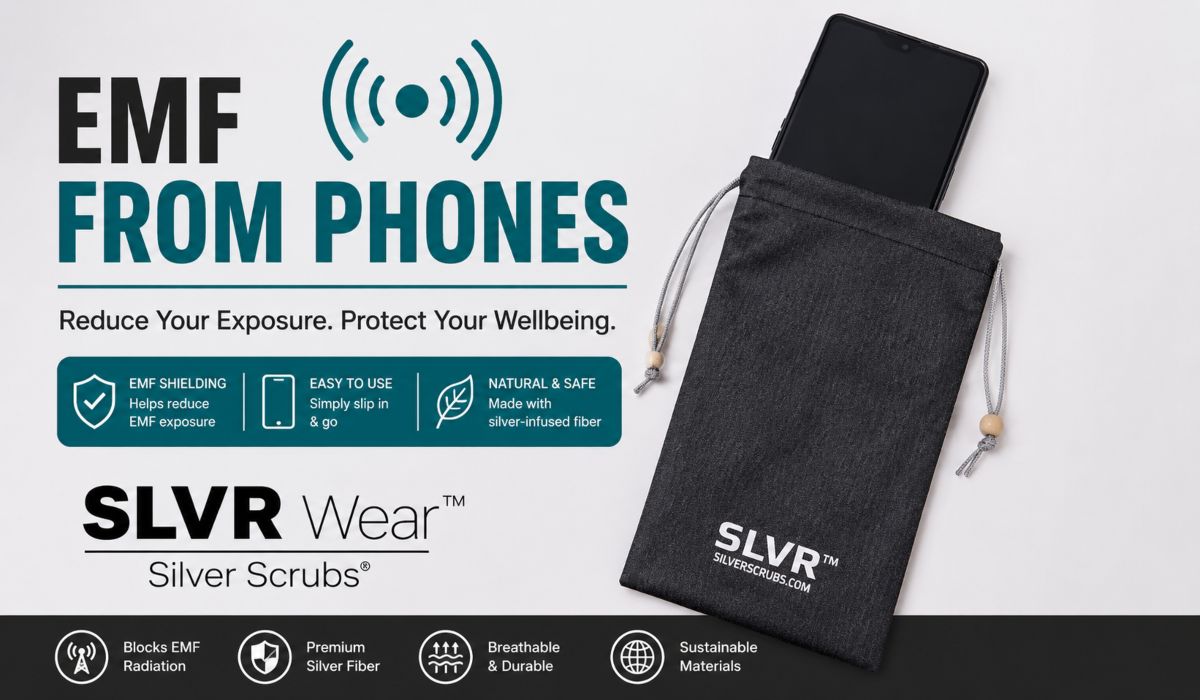
Very few consumer products create a complete Faraday cage, and that’s not a flaw it’s a design tradeoff. A true full enclosure, like a lined room or a sealed Faraday phone pouch, blocks signals from every direction. Wearable shielding fabric, by contrast, provides partial shielding: it reduces the amount of EMF reaching the body through the covered area, without claiming to eliminate exposure. Understanding this distinction matters when evaluating any shielding product, since “blocks EMF” and “eliminates all EMF exposure” are two very different claims and only the first one is realistic for wearable items.
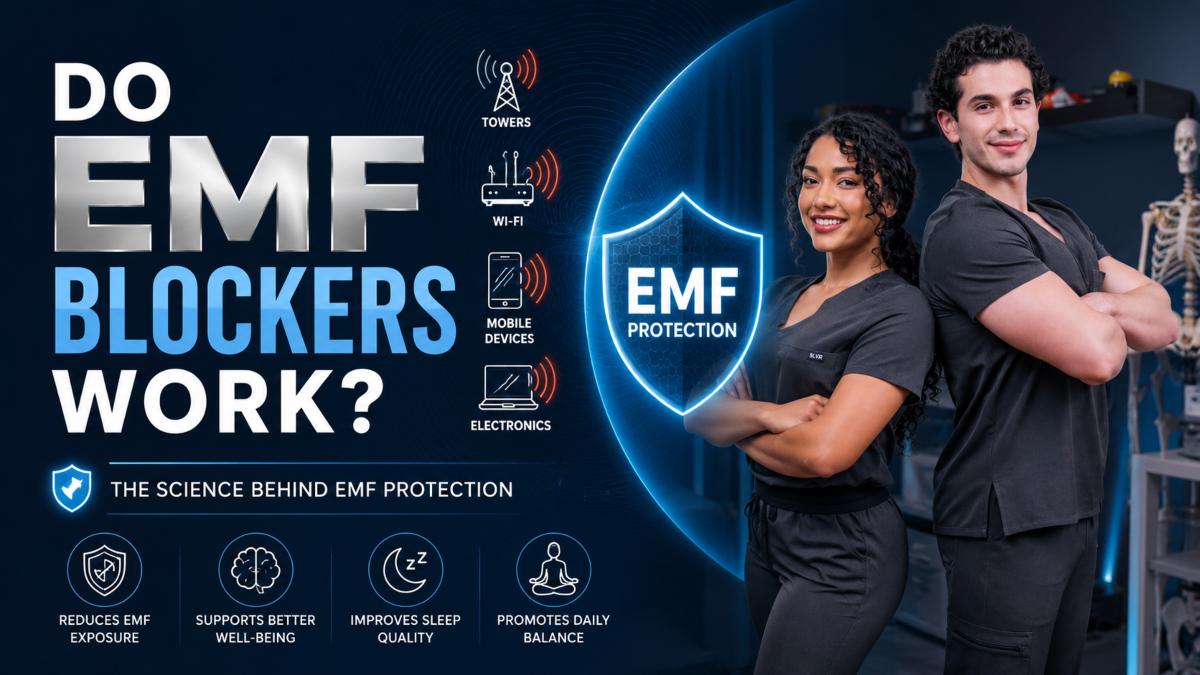
EMF shields do work when they’re built from genuinely conductive materials with adequate coverage the same physics that makes a Faraday cage effective applies directly to wearable and household shielding products. If you’re weighing whether Do EMF blockers work, the real question isn’t whether shielding is possible, but how much a given product actually reduces exposure, which depends heavily on the material and construction.
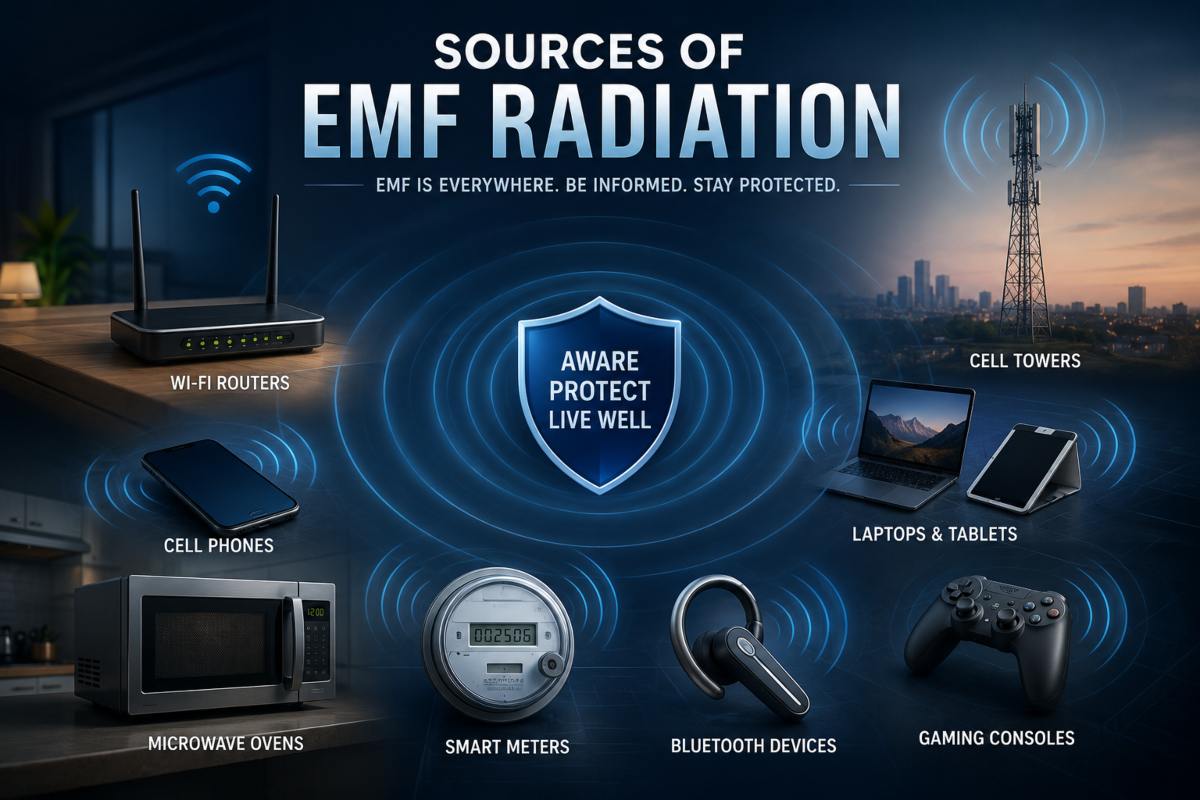
The effectiveness of an EMF shielding product depends on two factors: how conductive the material is and how completely it covers the area being protected. A fabric woven with metal fibers, like silver, disrupts incoming electromagnetic waves including those from common sources of EMF radiation like routers and cell towers through the same charge-redistribution process found in any Faraday cage. The tighter the weave and the higher the metal content, the more signal the fabric interrupts. This is why shielding performance varies so widely across products a thin printed coating behaves very differently than a fabric with fiber woven directly into the textile.
Several factors determine how well an EMF shield performs outside a lab setting. Coverage matters most: a shield only blocks signals reaching the area it physically covers, so gaps, loose seams, or partial designs reduce real-world protection. Material degradation is another factor coatings can wear off with washing or friction, while fiber woven into the fabric itself tends to hold up better over time.
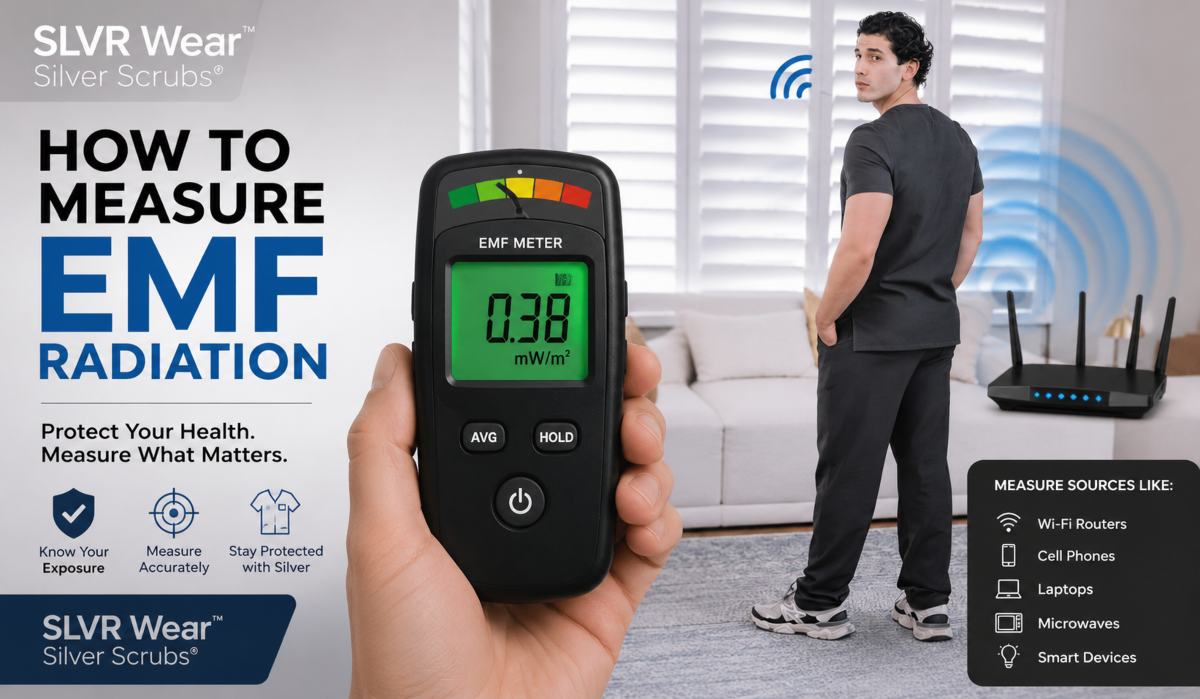
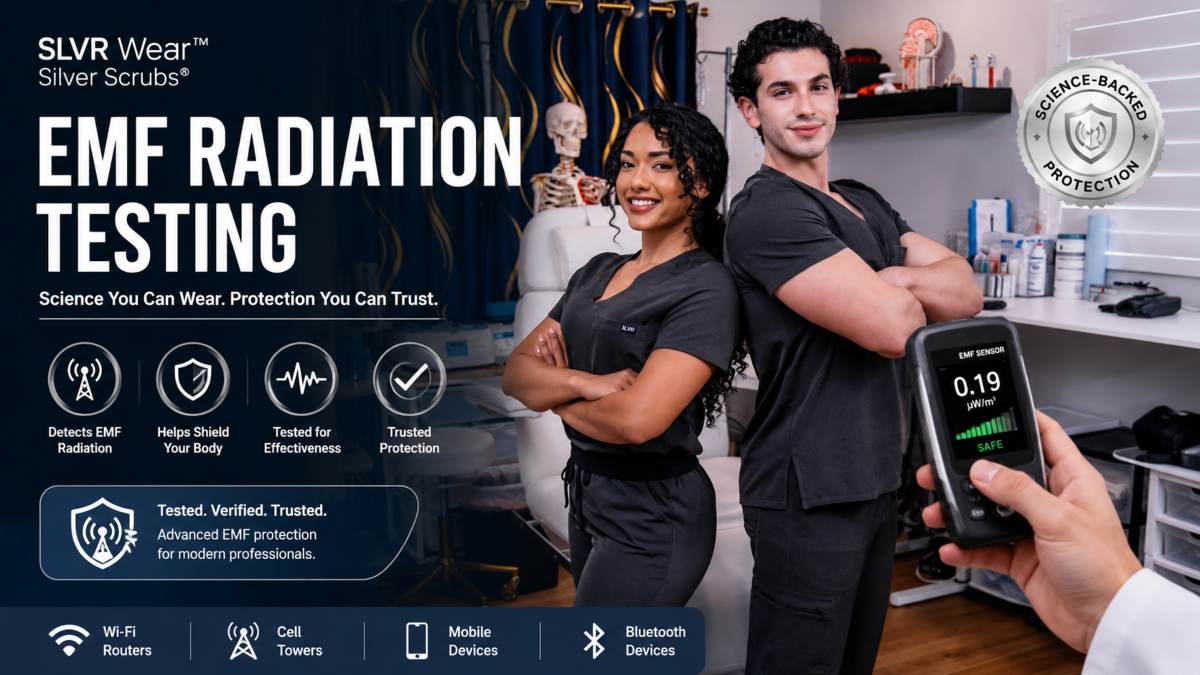
Distance and signal strength also play a role, since a shield reduces the intensity of a nearby signal but works differently against strong, close-range sources versus weaker ambient ones a helpful reference point here is understanding safe EMF levels in the first place. If you want to see how exposure looks in your own space, our guide on how to measure EMF radiation at home walks through the process. Independent lab testing is the clearest way to verify how a specific product performs, since specifications on paper don’t always reflect real-world conditions.
EMF hats work when they’re made with a genuinely conductive shielding fabric that covers the head with minimal gaps the same Faraday cage principles that block signals in other shielding products apply here. This is especially important for those worried about EMF from phones held close to their heads during calls. Their effectiveness depends less on the fact that they’re “an EMF hat” and more on the fabric they’re made of and how they’re constructed.
A legitimate EMF has uses fabric woven with conductive fibers, typically metal such as silver, integrated directly into the textile rather than applied as a surface coating. As electromagnetic waves reach the fabric, the conductive fibers redistribute that energy throughout the material rather than allowing it to pass through to the head beneath. The design challenge with hats specifically is coverage: a shielding hat only reduces exposure to the area it physically covers, so brim styles, ventilation gaps, and seam placement all affect how much of the head is actually protected.
Not every product labeled “EMF blocking” is built the same way, so it’s worth checking a few specifics before buying. Look for fabric where the conductive fiber is woven into the material itself, since woven construction tends to hold up better over repeated wear and washing than a printed or sprayed coating.
Material composition should be listed clearly a hat that discloses its fiber content and percentage is generally more transparent than one relying on vague marketing language. It’s also worth checking whether the manufacturer provides any independent testing to back their shielding claims, since third-party verification is the most reliable way to separate genuinely effective designs from products that trade on the term without the material science to back it up.
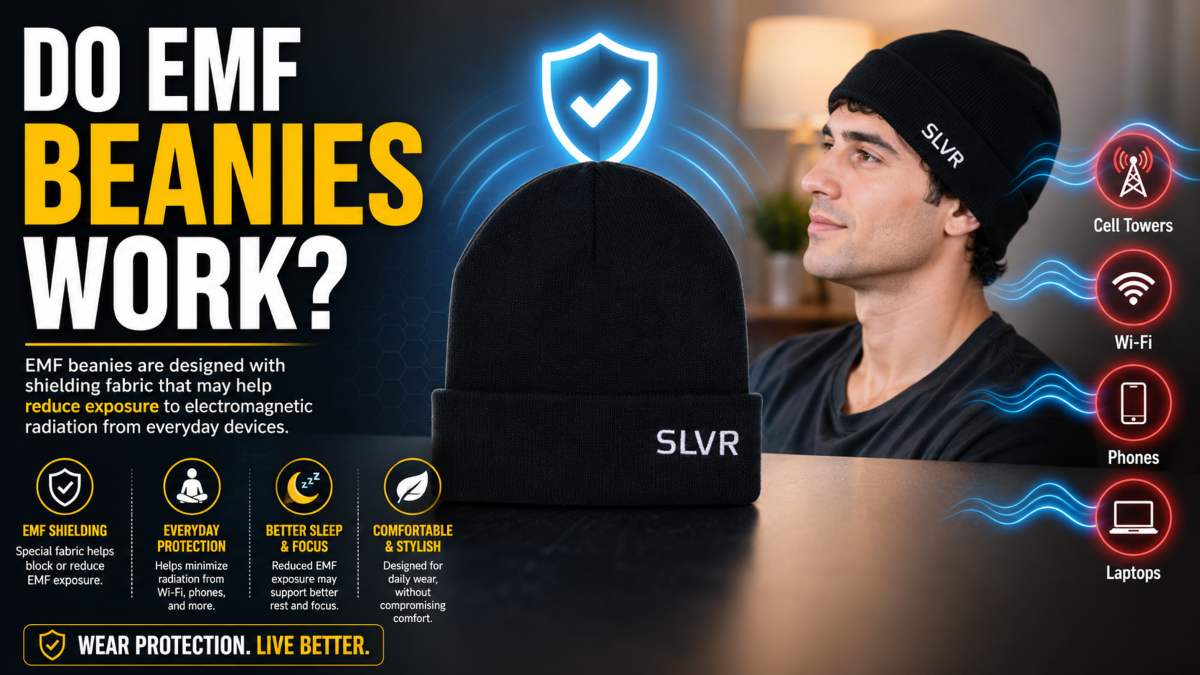
Signal Shielding Beanie Black work through the same shielding principle as any other piece of EMF protective clothing: a conductive material woven into the textile redirects electromagnetic waves instead of letting it reach the head. The close, snug fit of a beanie actually works in its favor here, since tighter coverage means fewer gaps for signal to pass through compared to looser hat styles.
 Beanie Construction and Signal-Blocking Fabric
A beanie’s effectiveness comes down to what’s knitted into its fabric. Conductive fibers, like silver, need to run throughout the material rather than sit as a surface treatment, since a coating can flake or wear away with washing. In contrast, woven fibers remain part of the fabric’s structure.
The knit construction of a beanie also matters: a tighter knit leaves less space between fibers, limiting how much signal can pass through the small gaps in the material. Because a beanie sits close to the head with few seams or ventilation cuts compared to a brimmed hat, well-made versions tend to offer more consistent coverage across the scalp though, like any wearable shield, it still only reduces exposure to the area it physically covers rather than blocking signals from every direction.
EMF blankets work the same way other shielding fabrics do: a conductive material, like silver fiber, woven into the textile intercepts electromagnetic waves rather than letting it pass through. Because a blanket covers a larger, flatter surface area than a hat or beanie, it’s often used in stationary settings at home rather than worn throughout the day.
EMF blankets are typically placed over furniture, laid across a lap, or used to cover an area where someone spends extended time near routers, electronics, or other signal sources. Some households use them to line a specific piece of furniture, while others use a blanket more like a portable barrier that can be moved between rooms. As with any shielding fabric, a blanket only reduces exposure to the area it directly covers it doesn’t create a sealed enclosure the way a fully lined room would.
A few details set a well-made Signal Shielding Large blanket apart from one that relies on marketing language alone. Check whether the conductive fiber is woven into the fabric rather than layered on as a coating, since woven construction holds up better through repeated folding, washing, and everyday handling than a surface treatment does. Material transparency matters too a blanket that lists its fiber content and percentage gives you more to evaluate than one using vague terms without specifics. It’s also worth confirming whether the manufacturer backs their shielding claims with independent lab testing, since that’s the clearest way to know a blanket’s performance holds up outside a product description.
EMF shields are legit when they’re built from genuinely conductive materials, backed by transparent specifications and independent testing the concern isn’t the science itself, but the number of products on the market that borrow the term without the materials to back it. Since shielding effectiveness isn’t something you can verify by looking at a product, knowing what to check before buying is the most reliable way to tell real shielding from marketing language.
A few direct questions can separate a legitimate shielding product from one riding on the trend. What is the fabric actually made of, and what percentage of it is conductive fiber? Is the fiber woven into the textile or is it applied as a surface coating that may wear off? Has an independent lab verified the shielding performance, or does the claim rest solely on the product description? A manufacturer with a genuinely effective product will usually answer these clearly and specifically, rather than relying on broad language like “blocks EMF” without any supporting detail.
Material composition and lab testing matter because they’re the only two things that actually determine whether a shield works everything else is presentation. A fabric’s conductive fiber percentage directly affects how much signal it can interrupt, so a product that discloses this number is giving you something concrete to evaluate. Independent lab testing goes a step further by measuring how the fabric performs under real electromagnetic frequencies, rather than relying solely on the material’s theoretical properties. Together, disclosed composition and third-party verification are the clearest signals that a shielding product was engineered for performance, not just labeled for search demand.
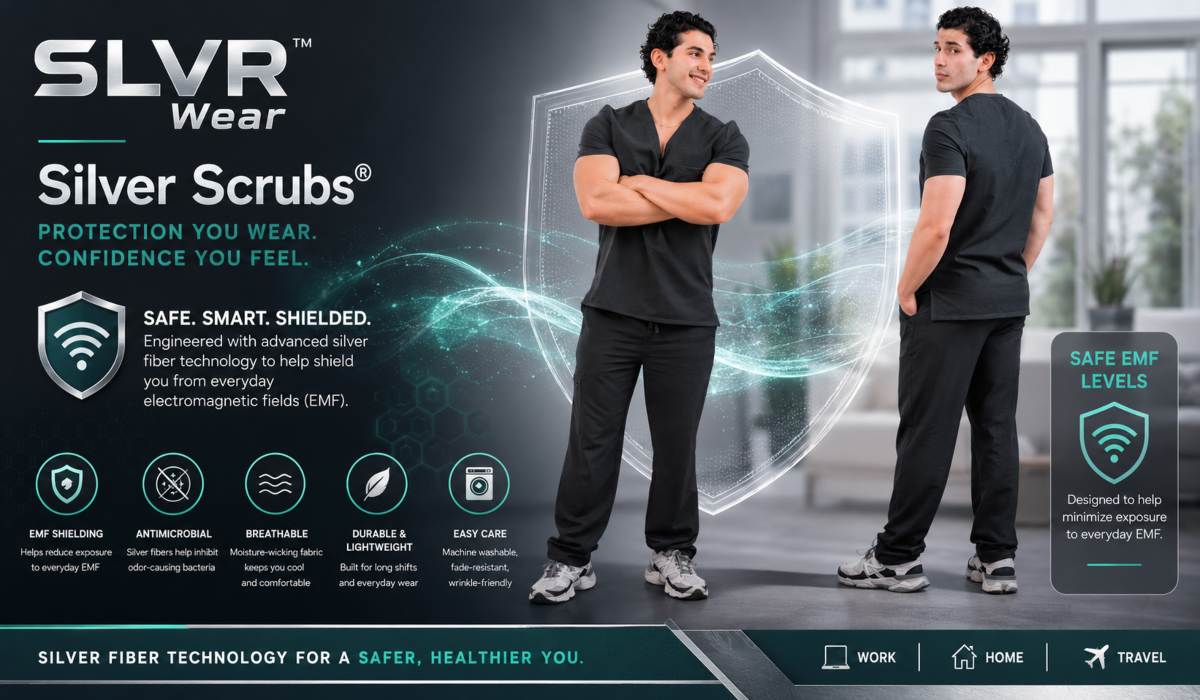
SLVR Wear™ applies the same verification standard outlined above to our own products, starting with independent lab testing of our Silver Scrubs® line. Our shielding products are built on woven silver-fiber fabric rather than surface coatings, with the material composition openly disclosed across our product line.
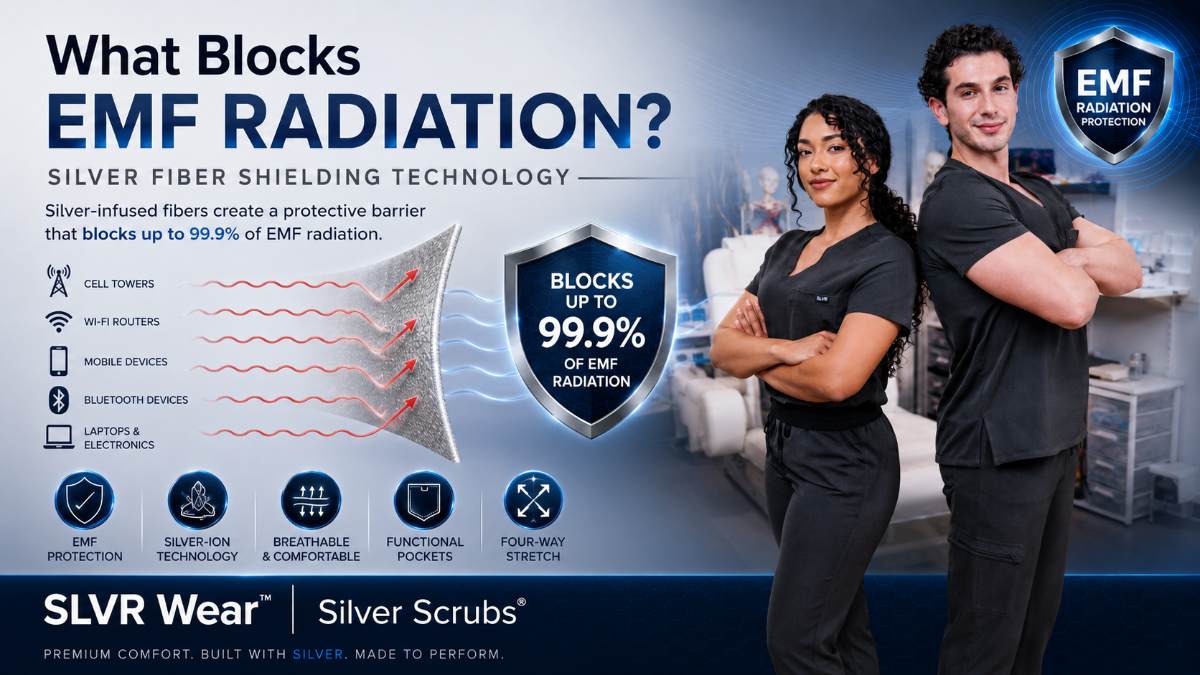
Silver Scrubs® are woven with 35% silver fiber and have been tested to block electromagnetic frequencies up to 50 GHz, with lab-verified shielding effectiveness of up to 99.91%. The fabric is OEKO-TEX® Standard 100 certified and meets the GJB 5792A-2021 shielding standard, following two years of research and development. These figures come from independent lab testing specific to Silver Scrubs®, and the full lab report is available for review [link to lab results]. Because these results are specific to the weave and silver content used in this fabric, they apply only to Silver Scrubs®.
For a full overview of the line, see our medical scrubs complete guide. Shielding performance is only part of the equation fabric feel matters too. Our guide to the softest medical scrubs covers what makes Silver Scrubs® comfortable for all-day wear. Silver Scrubs® are available in several colorways, including our black scrubs pants.
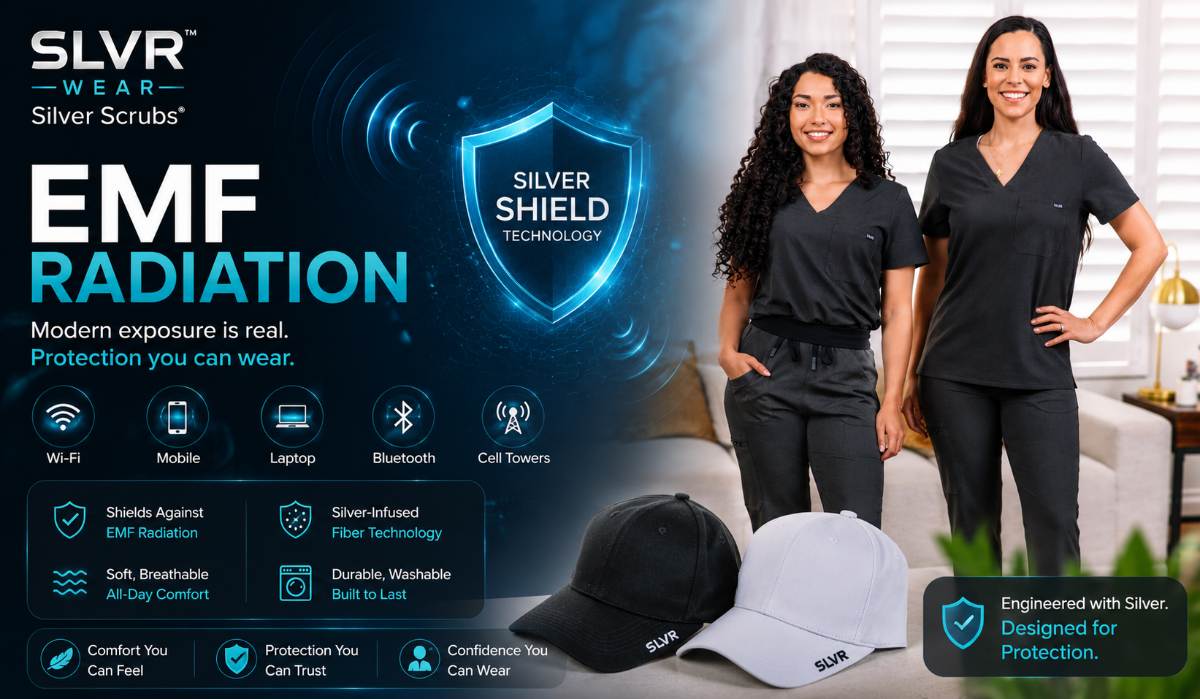
Our hats, beanies, and blankets are built using the same core principle conductive fiber woven into the textile rather than applied as a coating but each product has its own construction, fit, and coverage area. Because lab verification is specific to the exact fabric and construction tested, the frequency and effectiveness figures verified for Silver Scrubs® are not applied to these products. We disclose material composition across our full line so you can evaluate each product on its own construction, and we encourage the same questions raised earlier fiber content, weave type, and independent testing when considering any shielding item, including ours.
A Faraday cage blocks EMF most effectively when it forms a fully enclosed, continuous conductive barrier with no gaps. Household shielding products, such as blankets or fabrics, only provide partial shielding because they cover specific areas. They can reduce exposure but do not eliminate EMF.
EMF hats can help reduce exposure when they are made with conductive fibers, such as silver, woven into the fabric. Their effectiveness depends on the material quality and the extent to which they cover the head. Independent lab testing is the best way to verify performance.
EMF shielding products can be legitimate if they disclose their materials and include independent testing results. While the shielding principle is based on established physics, product quality varies widely. Look for verified specifications instead of relying on marketing claims.
EMF blankets can reduce exposure in the areas they cover, making them suitable for use on beds or furniture. However, they do not create a fully enclosed shield, so they cannot block all EMF. Material composition and construction quality play a key role in their effectiveness.
Disclaimer: SLVR Wear™ products are not medical devices and are not intended to diagnose, treat, cure, or prevent any disease.