Silver Scrubs® Medical Clothing | EMF Blocking Scrubs
Every day, nurses, physicians, radiologists, and allied health professionals enter environments saturated with invisible electromagnetic fields from diagnostic equipment, wireless…
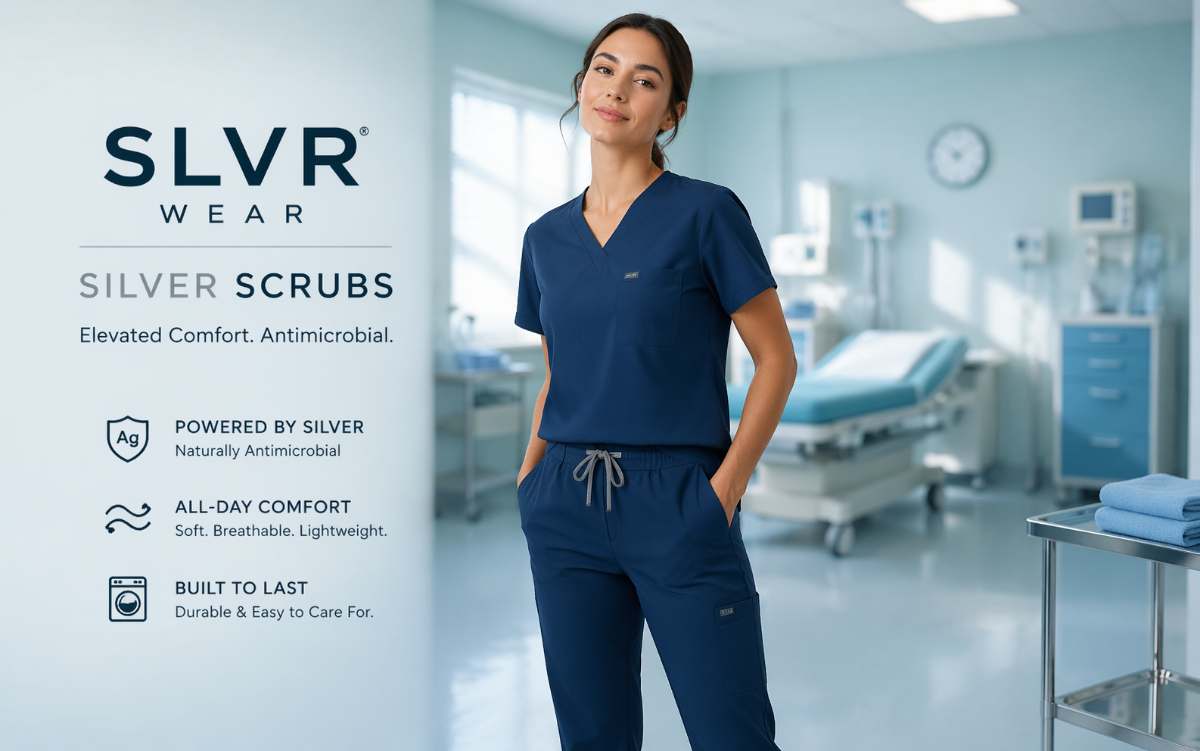
Medical scrubs are lightweight, durable uniforms worn by nurses, physicians, dentists, and clinical technicians for comfort, hygiene, and freedom of movement during long shifts. Every design choice fabric weight, seam placement, pocket depth exists to support the person wearing them through hours of standing, bending, and moving between patients.
The decision carries more weight than it looks. “Medical scrubs” draws over 29,700 searches every month in the US alone, one of the highest-volume terms in healthcare apparel, which tells you how many nurses, dentists, and clinical staff are actively comparing options before they buy.
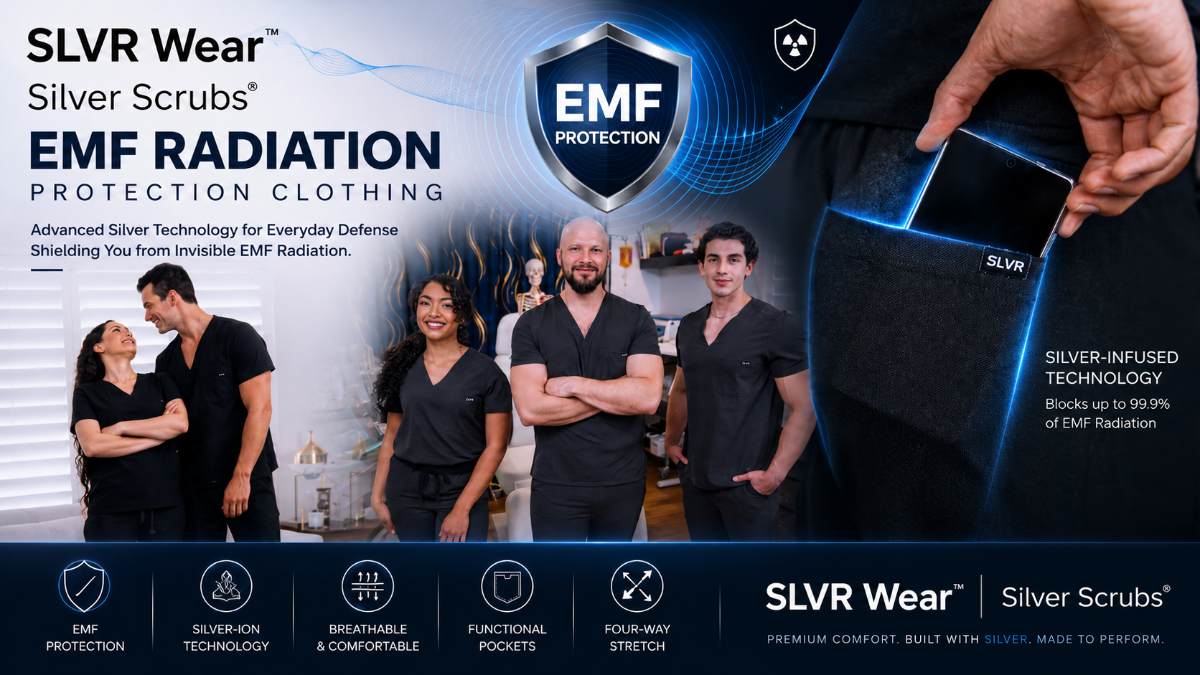
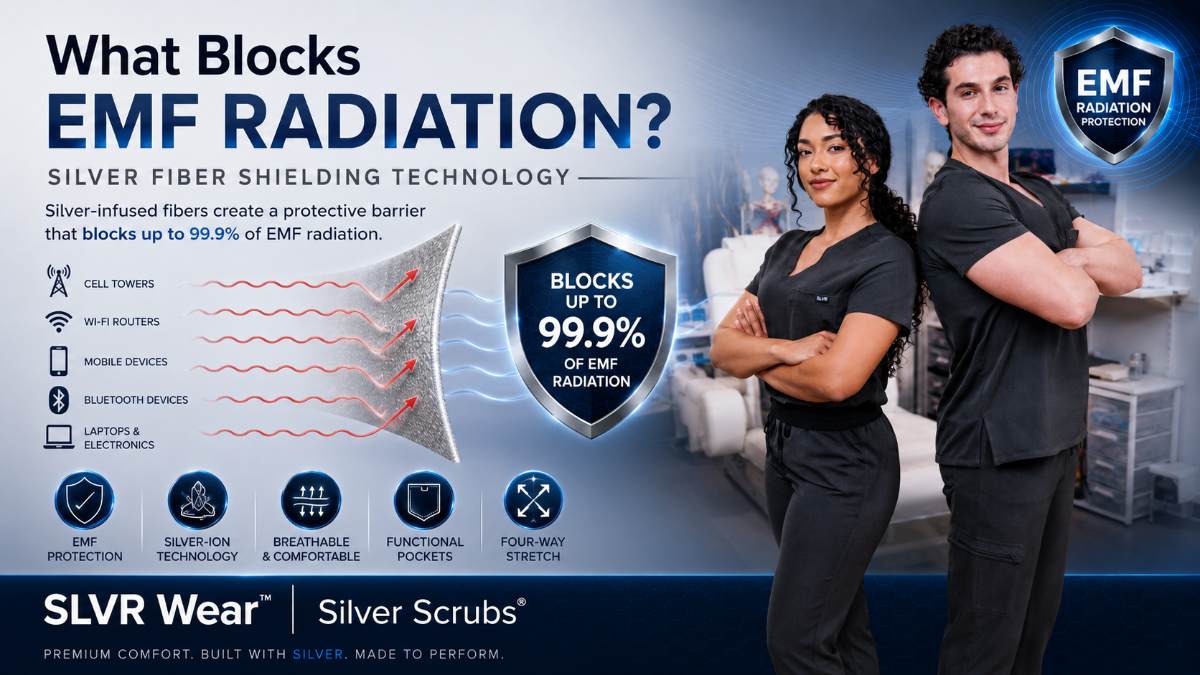
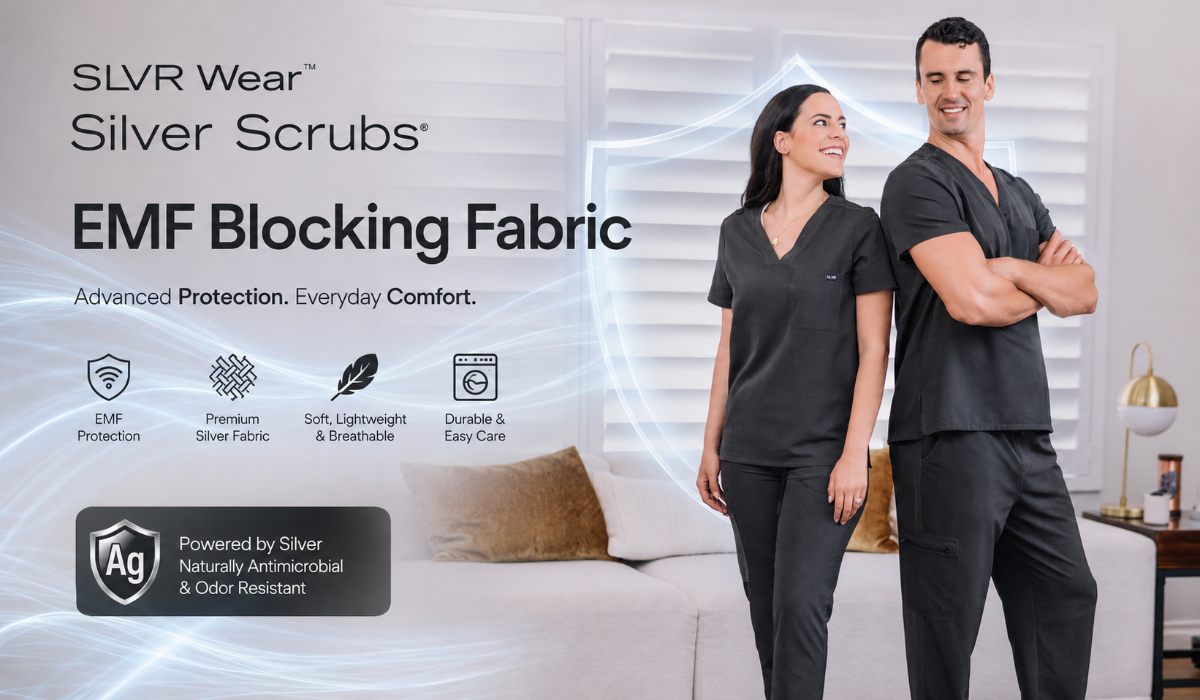
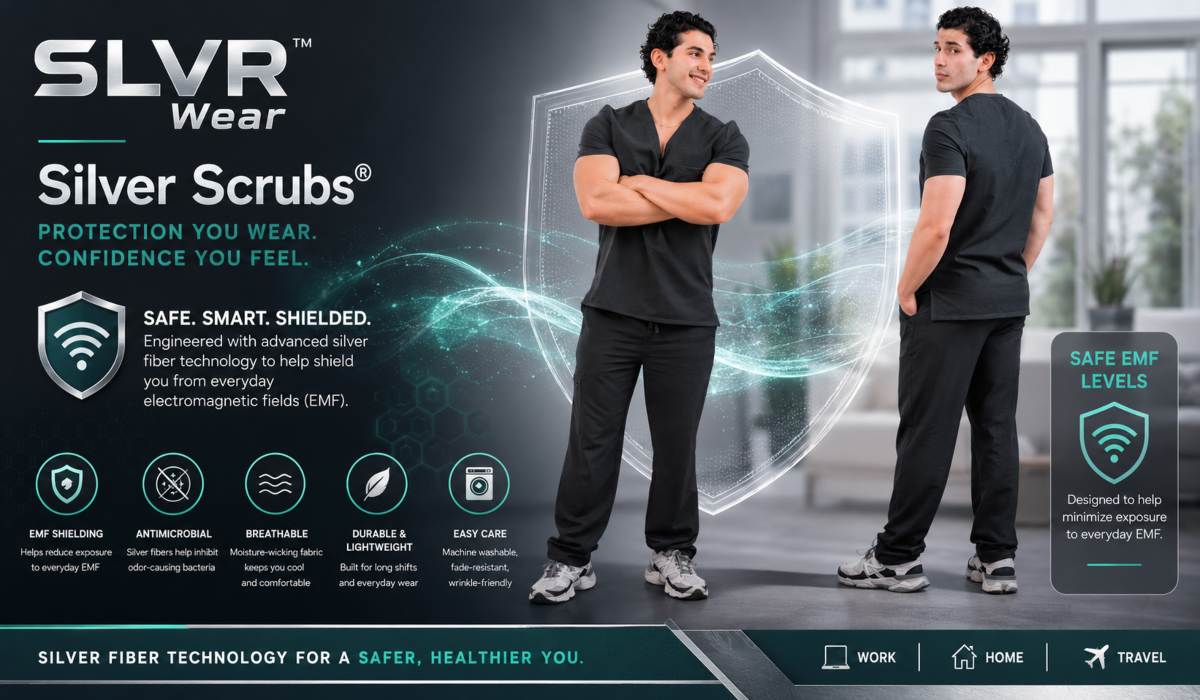
This guide covers what actually matters in that 2026 decision: fit, fabric, color, specialty needs, price, and performance over a 12-hour shift. SLVR Wear™ Silver Scrubs® medical clothing add one more layer to consider silver-fiber EMF shielding technology woven directly into the fabric built for professionals working in equipment-dense, technology-rich clinical environments.
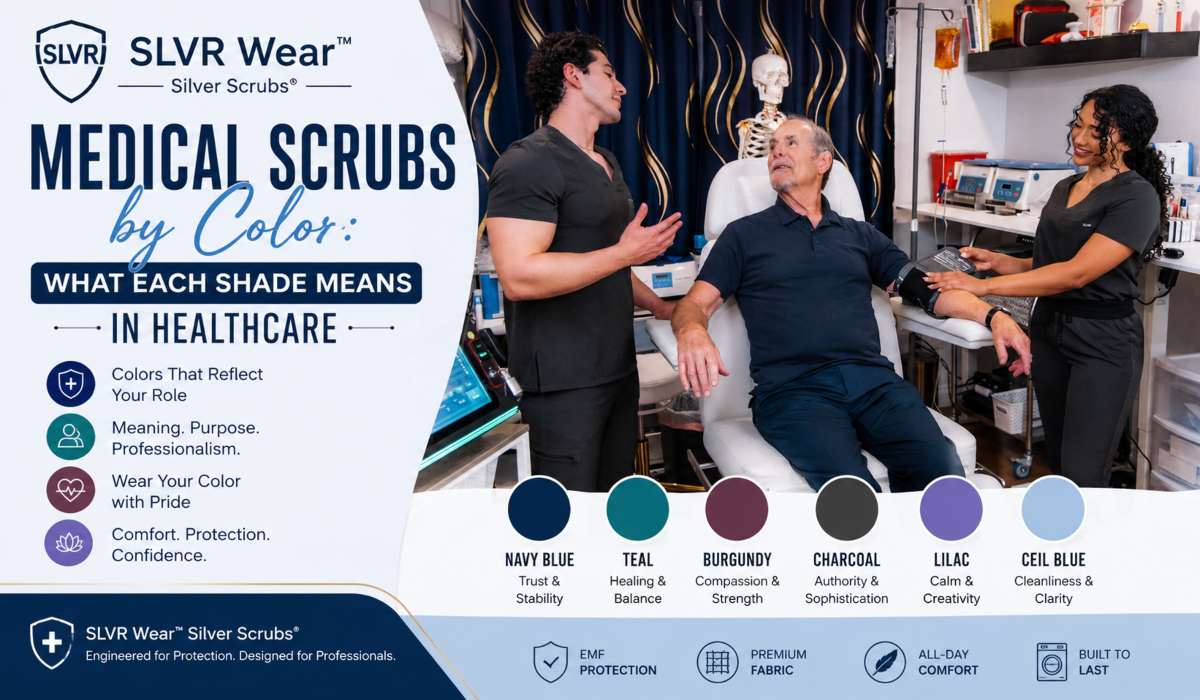
Scrub color signals department, role, and sometimes seniority inside a hospital or clinic though the exact system varies by facility, since there’s no single national standard. Many hospitals assign colors by unit specifically so patients and staff can identify a person’s role at a glance across a busy floor.
 Scrub Color Meaning by Department
Color-coding by department is common practice, even without a universal rulebook to back it up. Surgical teams often wear a distinct shade frequently teal or blue-green separate from the rest of the floor, in part because it contrasts less with blood under bright OR lighting.
Nurses on a general floor might wear navy or cel blue, while radiology or lab staff wear a different shade to visually distinguish them from bedside nursing. Dental practices tend to favor lighter, cleaner tones like white or pale blue to reinforce a clinical, sterile appearance. Because these systems are facility-specific, the most reliable step before buying is checking your own hospital’s or clinic’s dress code rather than assuming a shade based on general convention.
Navy, black, and teal remain the top-performing colors in 2026, favored for their resistance to visible staining and their ability to hold their tone through repeated industrial washing. Grey and burgundy have grown in popularity as facilities move toward muted, professional palettes over the brighter primary colors common a decade ago. White scrubs are still standard in dental and some outpatient settings, valued for the clean, precise look patients associate with those environments, though they show wear faster than darker tones.
Start with your facility’s dress code many hospitals require it, and buying outside it means a return or a second purchase. If you have flexibility, choose based on how the color holds up over time in your specific role: darker shades hide staining better in high-contact roles like ER or surgical support, while lighter tones suit administrative or outpatient settings with lower exposure to spills and marks. Fabric quality matters here too a well-constructed scrub in a durable weave holds its original color through far more wash cycles than a budget version in the same shade.
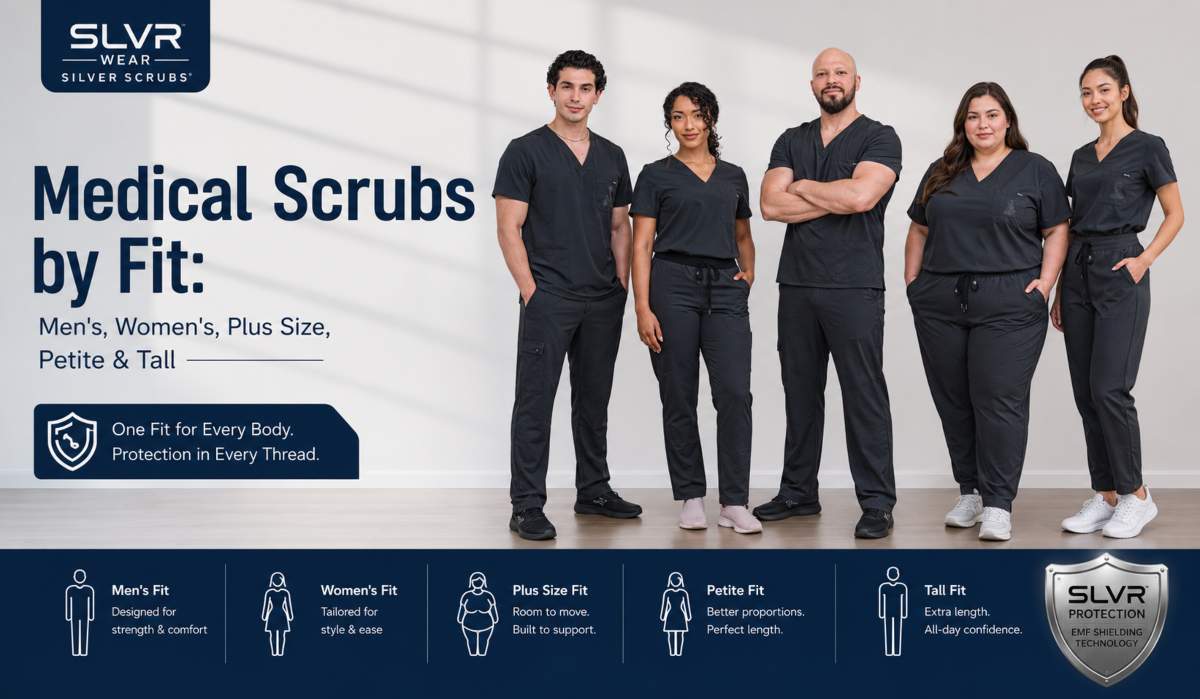
Fit is the single biggest factor in whether scrubs feel comfortable across a 12-hour shift, which is why men’s, women’s, plus size, petite, and tall options exist as distinct cuts rather than one-size adjustments. The right fit reduces restriction during bending, reaching, and standing the movements that define most clinical work.
 Men’s vs Women’s Scrub Fit Differences
Men’s and women’s scrubs are built on different base patterns, not just resized versions of each other. Men’s cuts typically run straighter through the torso with a wider shoulder allowance and a lower, boxier rise, built for a broader range of body shapes without needing a fitted waist. Women’s cuts introduce contouring at the waist and hips, a higher rise, and options such as V-neck or wrap tops designed to sit closer to the body without restricting movement. Search data backs up how much this matters: “nursing scrubs for women” and “best scrubs for men” are both consistently high-volume terms, confirming that gender-specific fit is a baseline expectation, not a preference.
SLVR Wear™ extends this same fit logic to its EMF-blocking line. Men’s Silver Scrubs®are available as a Men’s Signal Shielding top and pants set, as scrub pants only, or as a scrub top only. Women’s Silver Scrubs® follow the same structure, sold as a top and pant set, a top only, or pants only.
Plus size and petite scrubs solve a problem that standard sizing runs don’t: proportion, not just overall size. A petite cut shortens the rise, inseam, and sleeve length proportionally rather than just scaling down a standard size, which keeps pockets and seams where they’re supposed to be instead of drooping. Plus size scrubs need the same attention in reverse enough room through the shoulders and hips without adding excess fabric elsewhere that bunches under a lab coat or gets caught on equipment. Brands that only offer S–XL in one silhouette often leave both ends of the sizing spectrum with a fit that technically works but never feels quite right for a full shift.
A scrub size chart works best when you measure your own body rather than matching a size you wear in regular clothing, since scrub sizing runs differently brand to brand. Chest, waist, and hip measurements in inches or centimeters are the standard reference points, and most charts also list inseam length separately for pants worth checking directly if you’re ordering petite or tall. Because scrub brands don’t share a universal sizing standard, the safest approach is to size by each brand’s chart rather than assuming your usual size carries over.
Fabric composition determines how a scrub top or pant performs across a shift breathability, stretch, and how many wash cycles it survives before losing shape all trace back to what the fabric is actually made of. Cotton, poly-blends, and specialty materials each solve this differently, which is why the “best” fabric depends on the shift, not just personal preference.
100% cotton scrubs are breathable and soft against the skin. Still, they wrinkle easily, shrink over repeated washing, and offer little to no stretch a real limitation during a 12-hour shift that involves constant bending and reaching. Poly-blend scrubs, typically a cotton-polyester or polyester-spandex mix, hold their shape better through industrial washing, resist wrinkling, and offer 4-way stretch that moves with the body rather than restricting it. Standard cotton-poly blends (roughly 80/20) are common in budget scrub lines and typically hold up for 20–40 wash cycles before visible wear sets in. In contrast, stretch-forward poly-spandex blends are designed for active nursing roles that require greater range of motion.
Bamboo and hemp scrubs appeal to clinicians who prioritize sustainable materials, offering a soft hand feel and decent breathability without relying entirely on synthetic fibers. Bamboo-based blends tend to be softer and better suited to shorter, lower-activity shifts, since they generally offer less stretch than a dedicated performance fabric. Hemp holds up well structurally but runs less flexible, making it a better fit for administrative or outpatient roles than high-motion clinical work. These options fall into a smaller category overall, but demand has grown steadily as more healthcare workers weigh fabric sourcing against comfort and durability.
The fiber makeup of a scrub directly determines how it feels on hour one versus hour twelve, and how many times it can be washed before it needs replacing. Higher-stretch synthetic blends generally outlast natural fibers during repeated industrial washing, which is why premium scrub lines tend to favor engineered blends over pure cotton. SLVR Wear™ Silver Scrubs® use a 35% silver fiber, 59% polyester, 6% spandex composition, with silver fiber woven directly into the textile structure designed to hold shielding integrity through 100+ wash cycles rather than relying on a surface coating that wears off over time.
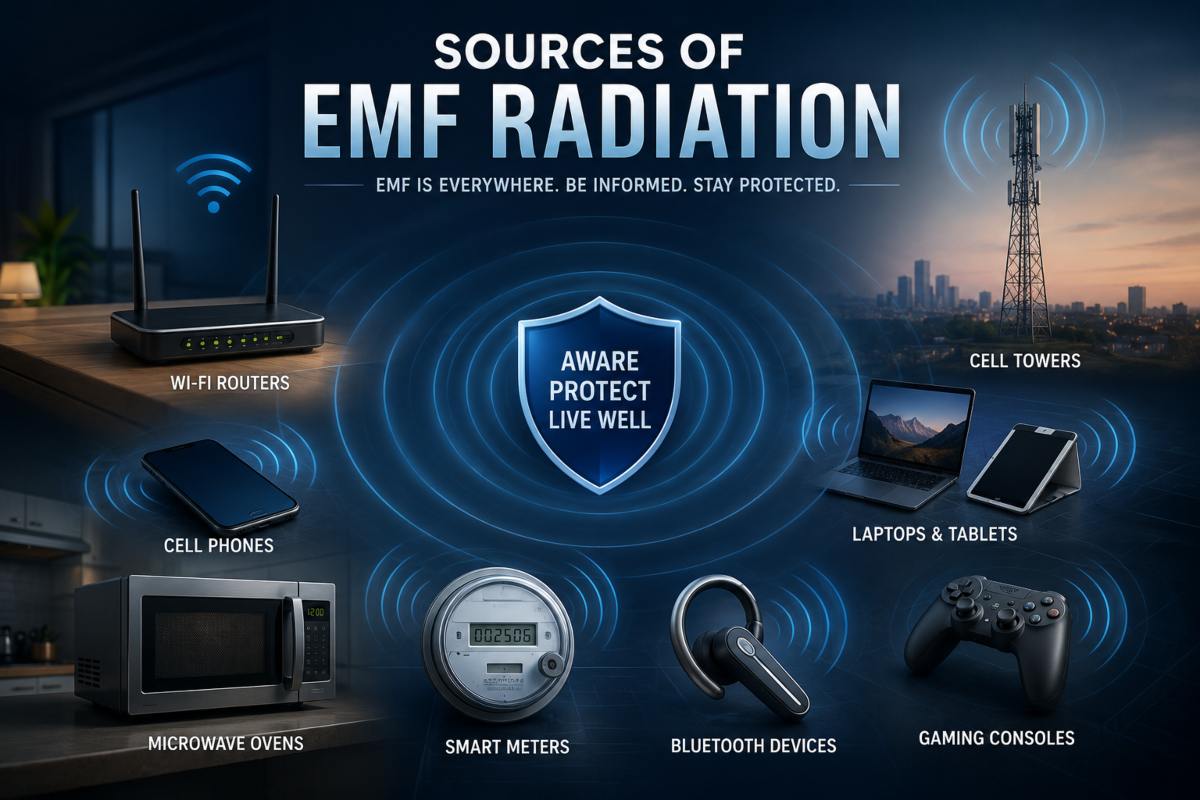
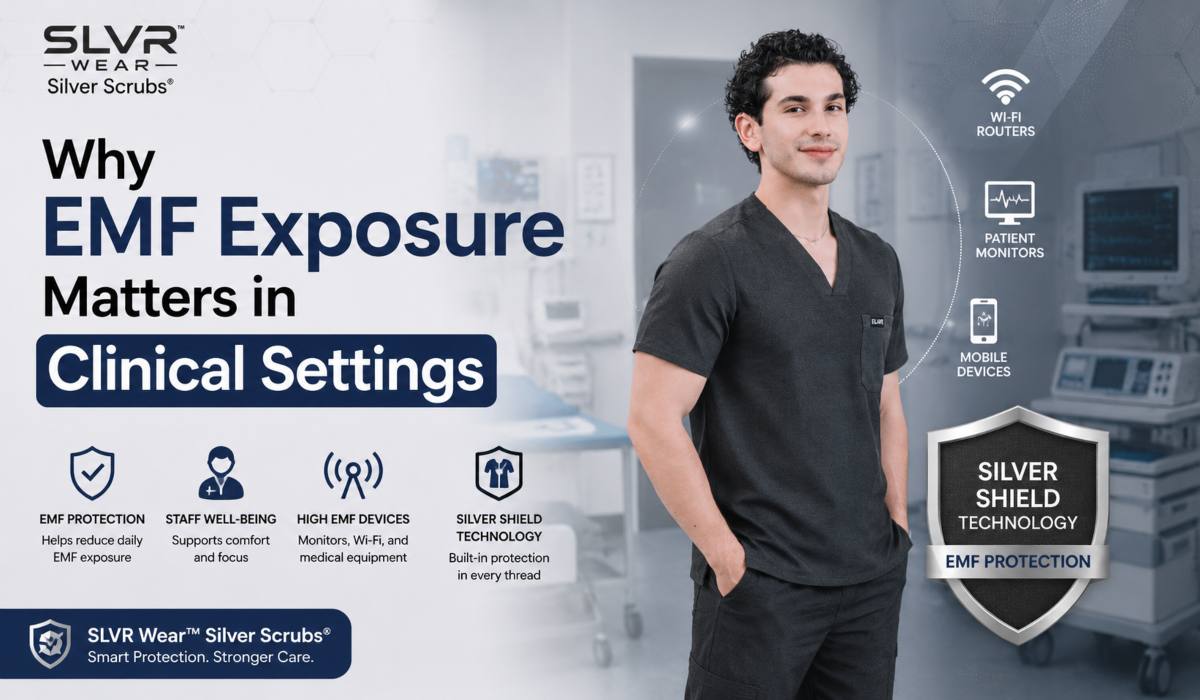
Clinical floors are dense with wireless signal sources, and clinicians carrying a phone in a scrub pocket for a full shift are within near-constant range of phone-based EMF emissions. Hospital wifi and connected monitoring equipment add to that exposure, a topic covered in more depth in our breakdown of 5G EMF radiation. For clinicians newer to the subject, our EMF radiation explained breaks down where these signals come from, and understanding what blocks EMF radiation clarifies why fiber composition not just fabric weight determines shielding performance, including how those levels compare against recognized EMF exposure reference points.
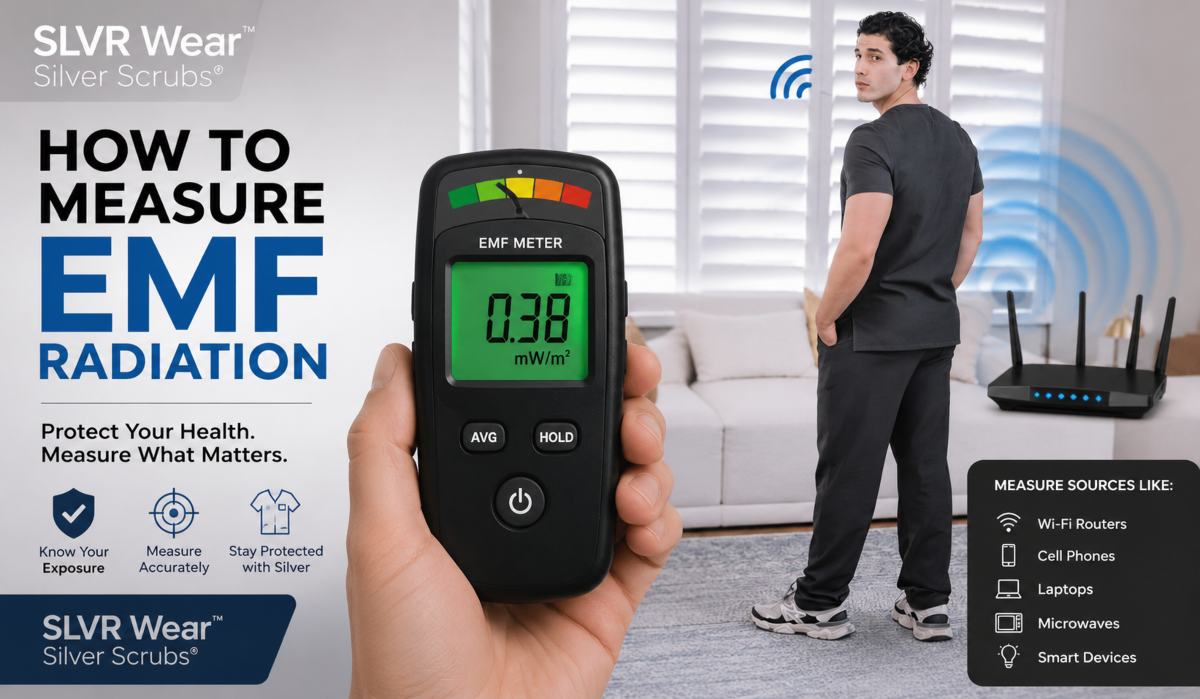
Clinicians curious about their exposure outside of work can also measure EMF radiation at home with a simple meter. For a fuller walkthrough of shielding options beyond scrubs, see how to block EMF exposure day to day, including how Faraday-style shielding compares to woven silver fiber in our breakdown of Faraday cage effectiveness, plus practical steps to reduce EMF exposure at home after a shift ends. SLVR Wear™ scrubs sit within a broader category of EMF protective clothing built for exactly this kind of continuous, all-day exposure.
 Types of Medical Scrubs: Pants, Tops, Caps, & Sets
Medical scrubs come in several distinct pieces pants, tops, and capseach with its own style variations built around function rather than fashion. Understanding what each piece is designed to do makes it easier to build a wardrobe that actually fits your role, rather than just buying whatever’s available in your size.
Scrub pants generally fall into three cuts: straight-leg, jogger-style with an elastic or drawstring hem, and cargo styles with added leg pockets for extra storage. Jogger-style pants have gained ground in recent years for the tapered fit and added mobility they offer during fast-paced shifts. Scrub tops follow a similar split V-neck and mock-wrap styles are common in women’s cuts for a closer, more tailored fit, while crew-neck tops dominate men’s and unisex lines for their simplicity and ease of movement. Pocket placement varies by style too, with some tops built around a single chest pocket and others offering a divided, multi-pocket layout for pens, badges, and small tools.
Scrub caps are standard in surgical and procedural settings, typically offered in a tie-back or bouffant style depending on hair length and personal preference. Scrub usually a lightweight zip-front layer serve staff who move between warmer patient areas and colder administrative or lab spaces throughout a shift, since scrub tops alone often aren’t enough insulation in over-cooled hospital environments. These pieces are frequently sold separately from full sets, allowing clinicians to customize their layering without replacing an entire outfit.
A full scrub set top and pants sold together in matching color and fabric is the simpler option and typically the better value per piece, since sets are usually priced lower than buying the same two items separately. Mix-and-matching lets you pair a more fitted top with a roomier pant cut, or combine pieces from different fabric weights for seasonal layering, which is common among clinicians who’ve identified a specific fit combination that works for their body and role. For anyone still narrowing down fit preferences, starting with one full set before mixing pieces is the more cost-effective way to test what actually holds up through a real shift.
Different clinical specialties put different demands on a scrub, which is why dental, pediatric, and student needs each call for a slightly different approach to buying. The right choice comes down to matching the scrub to the environment where it’ll actually be worn, not just picking a size and color.
Dental scrubs prioritize a clean, tailored appearance alongside flexibility, since dental work involves close, repetitive hand and arm movement in tight proximity to patients. Search terms like “dental scrub uniforms” reflect a specific, competitive segment of the market dental teams tend to favor durable, breathable fabrics that hold a professional look through a full day of patient turnover, often in lighter shades that reinforce a sterile, precise environment. Fit matters more here than in general nursing roles, since dental professionals spend most of a shift in a fixed, forward-leaning posture rather than moving across a large floor.
Pediatric settings often call for scrubs in patterns or softer colors that feel less clinical to young patients, without sacrificing the durability needed for a physically active role. Staff working with children are frequently on the floor, bending, or carrying, so stretch and range of motion matter as much as they would in emergency or ICU settings. Comfort against the skin is also a bigger factor here, since pediatric shifts tend to run long and involve close physical contact throughout the day.
Medical students typically need scrubs that withstand frequent wear throughout clinical rotations without the higher price point of specialty performance lines, since rotations often involve daily wear across multiple settings before a defined income is in place. A durable mid-range option one with reinforced seams and a fabric blend that resists shrinking usually outperforms the cheapest available scrub over a full rotation cycle, even at a slightly higher upfront cost. Students moving between departments also benefit from a more versatile, neutral color that won’t clash with a specific unit’s dress code before their placement is finalized.
Custom medical scrubs allow individuals and clinical teams to add names, titles, or department branding directly to standard scrub pieces, turning a uniform into an identifiable part of a facility’s presentation. It’s a small addition with real practical value patients and coworkers can identify roles and names faster on a busy floor.
Embroidery is the standard method for personalizing scrubs, typically applied to the chest area with a name, credential, or department title stitched directly into the fabric rather than printed on top of it. Stitched embroidery holds up far better than iron-on or printed alternatives during repeated industrial washing, since it’s woven into the material rather than sitting on the surface, where it can crack or peel. Monogramming usually just initials is a lighter-touch option for staff who want a personal identifier without displaying a full name or title.
Custom ordering makes the most sense when a department or clinic needs consistent branding across multiple staff members, rather than a one-off personal touch. A clinic outfitting an entire team benefits from batch-ordering matching scrubs with uniform embroidery placement and thread color, which reads as more professional than staff each customizing individually. For smaller practices or individual buyers, ordering a single personalized piece is usually the more practical route the value of team-wide customization scales with headcount, so it’s worth coordinating only once a department is standardizing its look.
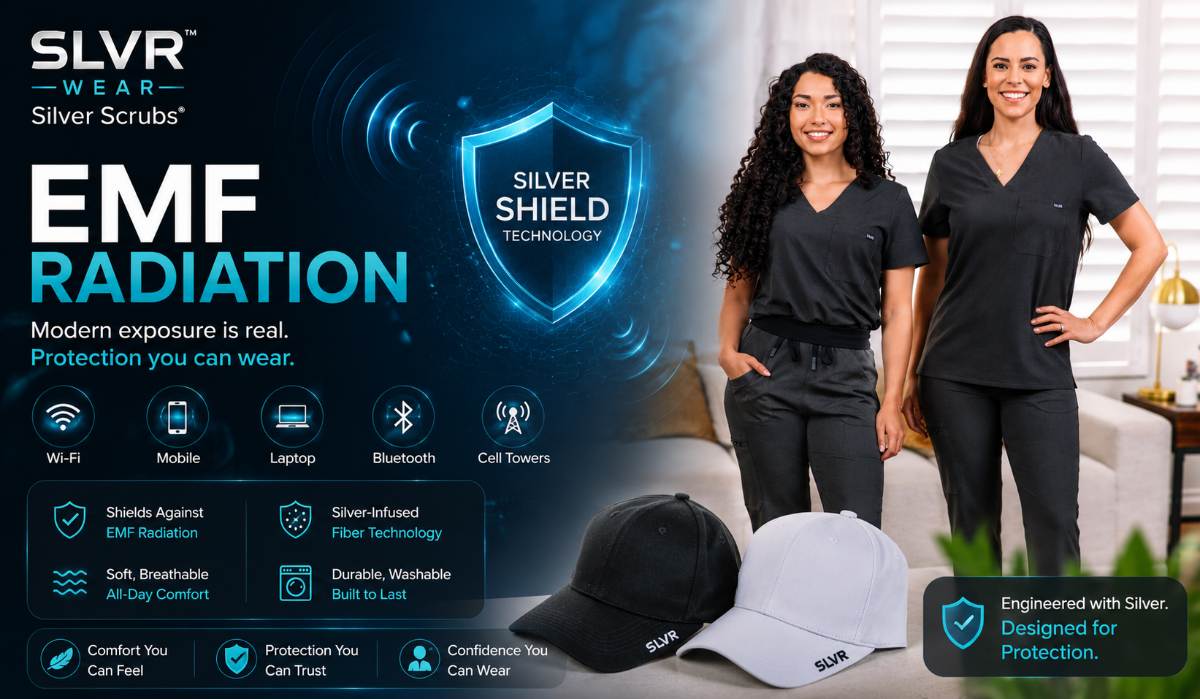
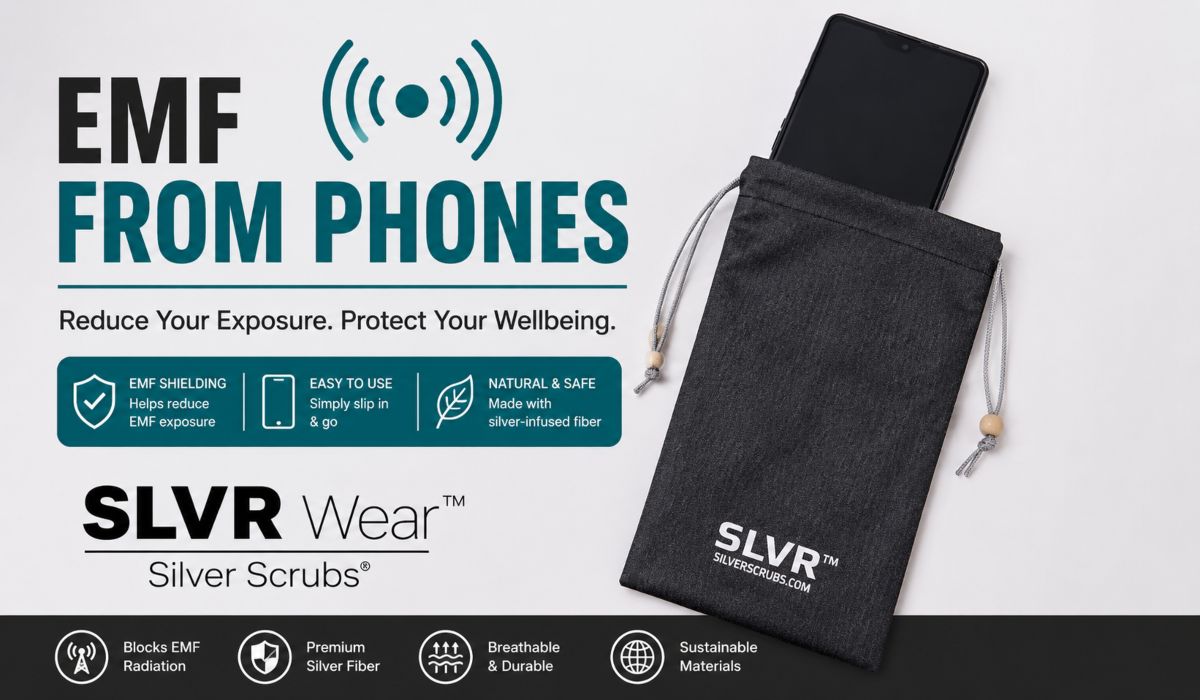
Clinicians managing EMF exposure on shift often carry that same shielding approach home. The Faraday phone pouch blocks a phone’s signal when it’s set aside for sleep or downtime, and the Signal Shielding baby blanket uses the same silver-fiber shielding for parents who want it around infants. The line also includes a large blanket and an x-large blanket sized for adults, plus an Signal Shielding beanie and an Signal Shielding hat for everyday wear outside the clinic.
Medical scrubs typically cost between $15 and $35 per set at the budget end and $65 to $90 per set for premium performance lines, with the total cost of ownership depending far more on how often you replace them than on the sticker price alone. Sticker price alone is a misleading way to compare options, since budget and premium scrubs wear out at very different rates.
Budget scrubs generally last 20 to 40 wash cycles before visible pilling, fading, or stretch loss sets in, which typically means replacing them every 3 to 6 months for anyone wearing them multiple times a week. Premium scrubs built with performance fabric and reinforced construction routinely hold up for 100 to 150+ wash cycles often 2 to 3 years of regular clinical use which changes the math considerably over time.
Run the numbers over three years on a five-pair rotation, and the totals tell a clearer story than either price alone: roughly $600 to $1,050 in repeated budget purchases versus $350 to $500 for a premium set that only needs replacing once. That gap 30 to 50% lower total cost over three years for the premium option is the real number to weigh, not just what’s cheapest at checkout.
Scrub colors often identify departments or roles, but standards vary by hospital or clinic. Common examples include blue for nursing, teal for surgical teams, and white or light blue for dental staff. Always follow your facility’s specific dress code before choosing a color.
Measure your chest, waist, and hips, then compare your measurements with the brand’s size chart. Scrub sizing varies by manufacturer, so avoid relying solely on your usual clothing size. Check inseam options for petite, regular, or tall fits when ordering pants.
Yes, many medical scrubs can be customized with embroidery for names, credentials, or department details. Embroidery is a durable option that withstands repeated washing better than surface prints. Many healthcare teams use matching personalization for a professional appearance.
The ideal scrub fabric depends on comfort, durability, and work demands. Cotton offers breathability, while polyester-spandex blends provide stretch and better shape retention. SLVR Wear™ Silver Scrubs® feature a 35% silver fiber, 59% polyester, and 6% spandex blend designed for long-lasting performance.
Disclaimer: SLVR Wear™ products are not medical devices and are not intended to diagnose, treat, cure, or prevent any disease.